
It’s always great when you get a heads up that something bad’s gonna happen and you can cut it off at the pass.
This artificial intelligence ability that we’re privy to in this time of our existence on the planet is nothing short of amazing. Amazing, what goes on every day behind the scenes that we only hear about after for years and years of research.

Now artificial intelligence is helping cardiologists like Dr. Faraz Ahmad catch the problem of heart failure early. That is incredible.
Cardiologist Dr. Faraz Ahmad MD, MS, is also the Associate Director of Northwestern Medicine Bluhm Cardiovascular Institute’s Center for Artificial Intelligence.
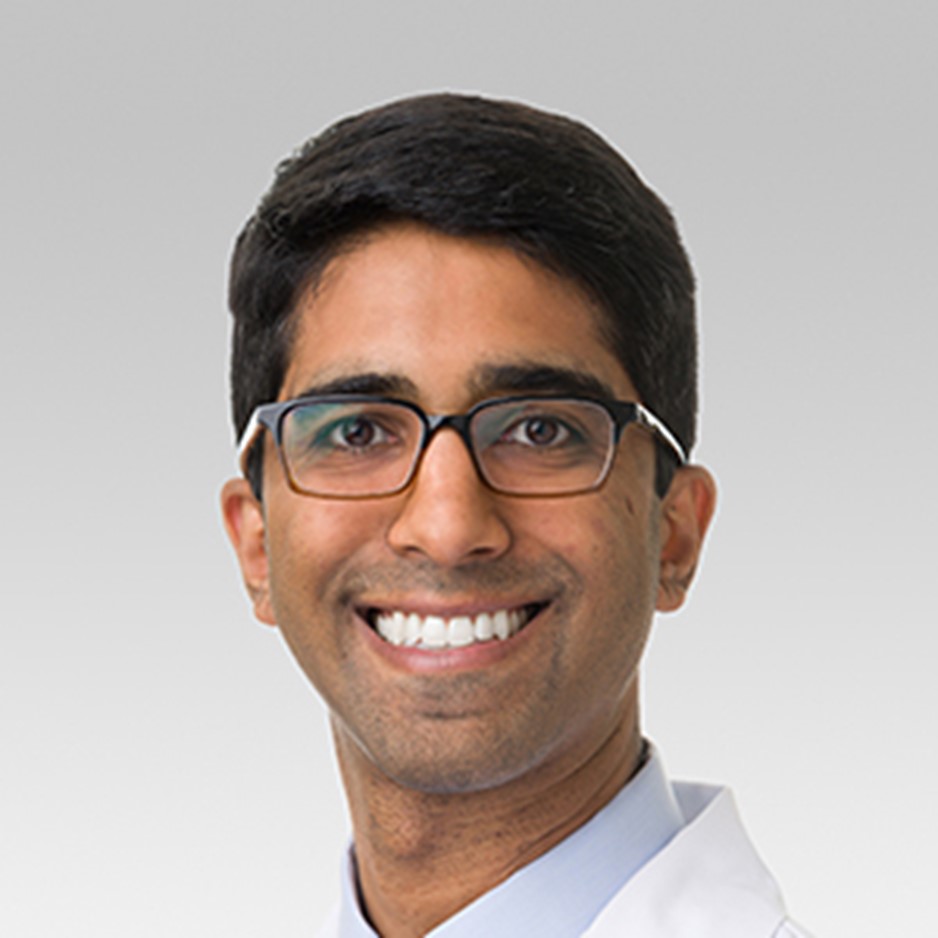
Dr. Ahmad said, “We’ve seen artificial intelligence affect our lives in so many ways outside of healthcare for the last several years and now in healthcare, we’re trying to figure out ways we can use this technology to improve the quality of care and the lives of our patients.”
“Heart failure is a very common condition, it affects over six million adults currently. And so here in Northwestern, we wanted to leverage all the data we have across our health system to try to find a subset of these patients who develop what we call advanced heart failure. Patients with heart failure with severe symptoms that are persistent despite being on medical therapy. So with computers and these algorithms, we can search our databases and try to find these patients and we develop a whole system in which we can bring these patients into our heart failure specialty clinic in our very vast and expeditious way.”
If somebody is that far down the road really struggling, where medications aren’t working anymore, and you find through artificial intelligence that yes, they’re probably going to go in that direction where it’s going to be over and out. What can you do to stop that?
Dr. Ahmad, said, Right, it’s a great question. It’s why finding them early is so important because there are a lot of options for them. So we bring them into clinic and we talk to them about their history, how they’re feeling, and their goals and preferences. And then for some patients, we can make medication adjustments that can make them help them feel better. Other patients sometimes need a minor procedure for the heart valve. Devices like pacemakers can really help some. But for a subset of patients, they may benefit from what we call advanced therapies. Things like heart pumps or heart transplants that can really help them live a long life and feel much better than they’re currently feeling for a long time. So it’s very important to find these patients early, which is why it’s important to develop and test the technology.
Finding a heart to transplant is not the simplest thing from what little I know.
“No It’s not”, said Dr. Ahmad. “It’s why we and other centers have a highly specialized team that does this. We evaluate patients, we discuss with them and their families and select and talk to patients. Patients who go for it with heart transplantation are the ones who will derive the most benefit. But it’s a process, like you said, and it involves a wait list. For some patients, things like heart pumps are really good options. It’s why we keep this team approach to figuring out what’s the best way to help patients feel better for a long time.”
As I’m talking with Dr. Ahmad, I’m thinking of a friend of mine who’s waiting for a heart for a heart transplant. He’s a very big guy and they have to find the right size heart. So that’s one thing that’s was in my head. The other thing that’s in my head is my dad died of heart failure. He was only 55 years old and it was 40 years ago. I wondered, would he still be alive if this information existed 40 years ago?
Dr. Ahmad said, “I think as a community, we have a lot more treatments and options to take care of patients to find them earlier and keep them living longer and healthier. I think with the whole portfolio of treatments we have, we can keep patients feeling well for really a long time.”
My father had Diabetes and I know it was big part of what led to his heart failure. Do a lot of diabetes patients find themselves moving into the direction of heart failure? Is there a correlation?
“There is”, said Dr Ahmad. “Yes, having diabetes, especially as diabetes not well controlled, can lead to heart problems in a few ways. It can infect the muscle directly. I can also lead to blockages in the heart that can lead to heart attacks and also affect the heart muscle. So patients with diabetes are certainly at higher risk for developing heart failure.” “The good news is that there are medications that help patients with diabetes prevent the development of heart failure. Or if they develop heart failure, it helps make them feel better and reduce hospitalizations. And so there are really good treatments out there for patients with diabetes. “
I mentioned to Dr. Ahmad, that a friends’ husband just went into the hospital and had a not one, not two, not three, but a ‘five’ bypass surgery. How many bypasses can you do at one time in this day and age?
Dr. Ahmad said, “I think when a surgeon performs by a heart bypass surgery, the goal is to give as much blood as many parts of the heart as they can safely do. So I don’t know if there’s a set number and it really depends on the vessels where the blockages are and how many of the patient needs. And they really just try to give the optimal number of bypasses.”
Doing the job of a Cardiologist job day in and day out can’t be simple, so I asked the good Dr. my signature question, “How does your head work inside?” What are you thinking about all day long?
Dr. Faraz Ahmad said, “I’m thinking about how can I help my patients feel better and live longer healthier lives and where are the tools I have? Are they getting those right tools and do they align with the patient’s goals and preferences? When I’m in clinic on the hospital, you know, the tools I have are the medications and the advice at which times to offer them. I’m sitting with my data science team or trying to think about what tools we can deploy at the health system level to find these patients, bring them in, give them the right treatments, the right time. So I would say I’m generally thinking about how we make care better in America for either all patients in our system or the patient ran in front of me.”
“At Northwestern Medicine Bloom Cardiovascular Institute this approach of developing and testing AI enabled algorithms for different use cases, including heart failure is new. We’re figuring out how to develop and then improve these algorithms and take the information and get the patient in front of us and take care of them. I think a lot of places are trying to figure this out and we’re excited to be part of the leadership in this space. “
Are there any companies in the pharmaceutical world paying attention to what you’re doing, to able to create new medications in tandem with your new discoveries?
“In heart failure” he said, “we’ve been lucky that there have been a lot of new medications for lots of different types of heart failure. They can really improve the quality of life and survival for our patients and we’re really excited for all that innovation. Now we’re trying to figure out how to get patients, those innovative drugs.”
“And I think in the data science AI space, there are a lot of companies, health tech companies, interested in these technologies and we partner with a lot of them, to try to develop and test these technologies. I just want to underscore the ‘testing’ part is really important. We need to make sure these technologies work. We monitor them and that they are improving care for patients. “
So Dr. Ahmad, when you said you’re trying to get patients these new medications, is that because they’re not on the market yet?
“They’re just coming on the market. They’re in demand. There’s not enough supply. Well, some of them have been on the market for a few years. But we know that in healthcare in general, there’s often a gap between a new drug or an innovation or a guideline and the actual implementation of that guideline. And a lot of us are really interested in figuring out how do we close that gap?” “So right now, this program we have is focused on advanced heart failure. Our next step is moving upstream and trying to make sure all our patients with heart failure, including the ones who aren’t advanced are on the right medications for them. I think like a really good thing to focus on. It’s really exciting and can hopefully really move the needle on heart failure.”
Very informative conversation here with Dr. Faraz Ahmed about AI Research and Heart Patients from our live conversation on The Debbie Nigro Show. Please pass this information on to anyone you know who might benefit from it.